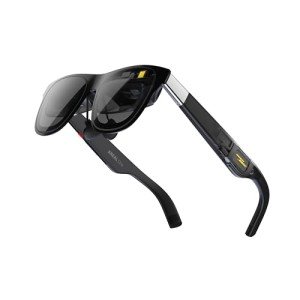

Top 10 Smart Glasses of 2025: Features, Pros & Cons
Smart glasses in 2025 blend AR, AI, and style for work, play, and daily life. Here are the top 10 models, with their standout features, pros, and cons:
- 1. Xreal One Pro
Pros: Buy on Amazon
- Proprietary spatial computing chip
- Sharp imagery, 120Hz refresh
- Steady projection, ultrawide virtual screens
- Lightweight
Cons:- Not yet widely available
- Requires wired connection for best performance
- Limited standalone functionality
- 2. Inair Glasses
Pros: Buy on Amazon
- AI spatial computing
- Portable keyboard and battery pod
- Supports up to six virtual windows
- Lightweight and comfortable
Cons:- Only one Type-C port (dongle needed for charging and use)
- Battery life up to 4 hours
- Currently available mainly in China
- 3. Rokid AR Spatial
Pros: Buy on Amazon
- 300-inch virtual screen
- Sony Micro OLED, 120Hz refresh
- Intelligent myopia/pupillary adjustment
- Supports iPhone spatial media
- Lightweight
Cons:- Requires external hub
- Proprietary OS
- Premium price
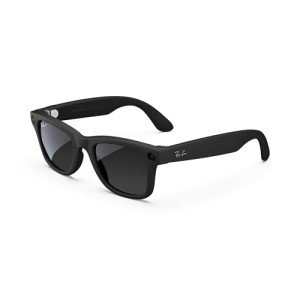
- 4. Ray-Ban Meta Smart Glasses (2nd Gen)
Pros: Buy on Amazon
- Stylish
- Meta AI integration
- Hands-free video/photo capture
- Social media ready
- Up to 4 hours battery
Cons:- Audio quality average
- Camera not as good as a smartphone
- Limited AR features
- 5. Viture Pro XR
Pros: Buy on Amazon
- Best for gaming
- Privacy mode, electrochromic tint
- 120Hz virtual display
- Immersive AR visuals
Cons:- Premium price
- External power recommended for long sessions
- Heavier than some competitors
- 6. Solos AirGo 3
Pros: Buy on Amazon
- Lightweight, modular design
- ChatGPT-powered AI
- Up to 10 hours battery
- Prescription lens support
Cons:- Limited AR features
- More focused on AI communication than immersive visuals
- 7. Amazon Echo Frames (3rd Gen)
Pros: Buy on Amazon
- Alexa integration
- Hands-free calls and music
- Lightweight, discreet design
Cons:- No display/AR features
- Audio can leak in noisy environments
- Battery life varies with use
- 8. Sharge Loomos
Pros:
- 4K photo/1080p video capture
- Hi-Fi speakers
- Supports prescription lenses
- IP54 dust/sweat resistance
- Translucent design
Cons:- Short video recording battery (450mAh)
- Bold/techy style may not suit everyone
- Early 2025 release
- 9. RayNeo Air 3S
Pros: Buy on Amazon
- AR display
- Lightweight, comfortable
- Supports virtual screens
- Affordable
Cons:- Limited AI features
- Display brightness could be higher
- 10. Lucyd Glasses
Pros: Buy on Amazon
- Affordable
- Prescription-ready
- Open-ear audio
- Voice assistant support
Cons:- No AR display
- Basic feature set compared to premium models
Comparison Table
| Model | Best For | Key Pro | Key Con |
|---|---|---|---|
| Xreal One Pro | AR/Spatial Computing | Sharp imagery, 120Hz, lightweight | Not standalone, limited release |
| Inair Glasses | Productivity | Portable, multi-window, light | Dongle needed, short battery |
| Rokid AR Spatial | Entertainment | Large screen, vision adjustment | Needs hub, pricey |
| Ray-Ban Meta (2nd Gen) | Everyday/Style | Stylish, Meta AI, hands-free media | Avg. audio/camera |
| Viture Pro XR | Gaming/Privacy | Gaming display, privacy mode | Expensive, heavier |
| Solos AirGo 3 | AI/Communication | Long battery, modular, ChatGPT | Limited AR |
| Amazon Echo Frames 3 | Voice Assistant | Alexa hands-free, discreet | No display/AR |
| Sharge Loomos | Content Creation | 4K/1080p video, Hi-Fi, IP54 | Short record battery |
| RayNeo Air 3S | AR Display | Lightweight, affordable | Limited AI, lower brightness |
| Lucyd Glasses | Budget/Prescription | Affordable, prescription-ready | No AR display |
Smart glasses in 2025 offer something for everyone, from immersive AR and AI assistants to stylish everyday wearables. Choose based on your needs-whether it’s productivity, entertainment, or hands-free convenience.