Mini Desktop PCs: Power and Portability in a Compact Package
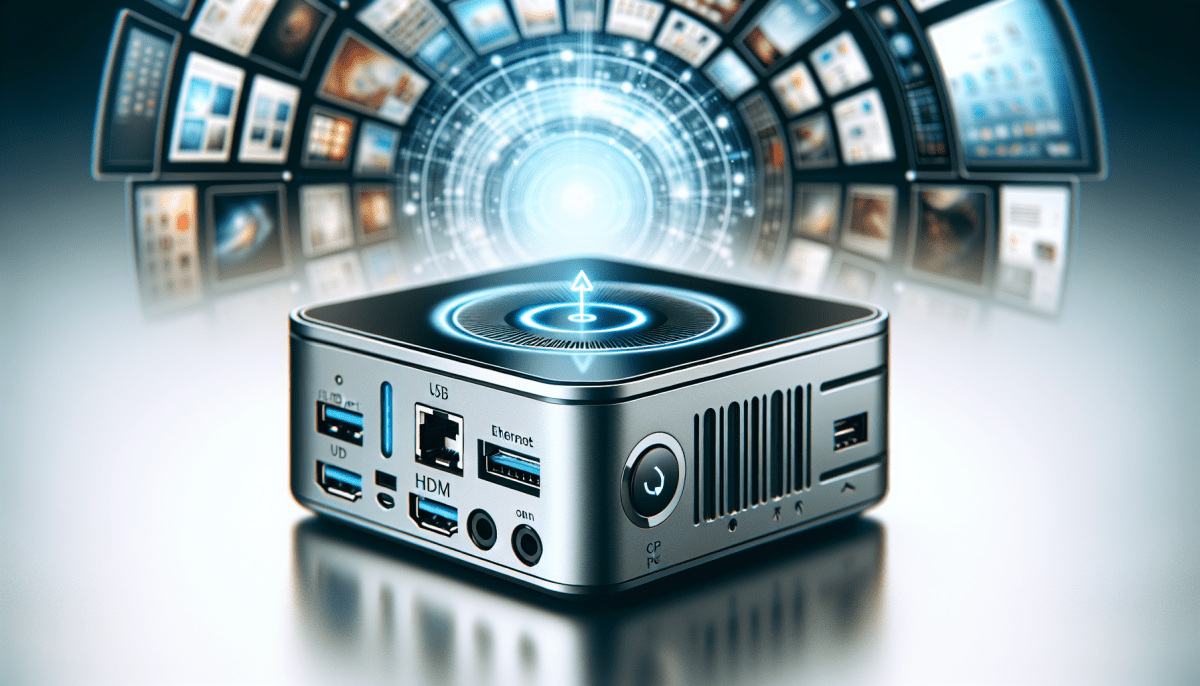
Mini desktop PCs have become a popular choice for both personal and professional users seeking powerful computing in a compact form. These small-sized computers, often less than a foot wide, pack most of the capabilities of traditional desktops but in a fraction of the space.
What is a Mini Desktop PC?
A mini PC is essentially a fully functional computer with a central processing unit (CPU), memory (RAM and ROM), storage, and ports for peripherals, but designed to be much smaller and more energy-efficient than standard desktops. They typically use energy-efficient processors from Intel or AMD, balancing performance with low power consumption. Unlike traditional desktops, mini PCs often lack built-in cooling systems and physical interfaces like keyboards or displays, which users add separately.
Advantages of Mini PCs
- Compact Size: Their small footprint saves significant desk space, making them ideal for tight workspaces or home setups.
- Energy Efficiency: Mini PCs consume less power than traditional desktops, reducing electricity costs and environmental impact.
- Performance: Modern mini PCs can handle everyday tasks such as office productivity, media streaming, and light multitasking with processors comparable to laptops.
- Flexibility and Upgradability: Some models, like Intel’s NUC series, offer upgrade options for RAM, storage, and even external graphics via Thunderbolt ports, extending their lifespan.
- Cost-Effective: They provide a budget-friendly alternative to full-sized desktops, especially for small businesses aiming to optimize space and resources.
Use Cases
Mini PCs are well-suited for home media centers, office workstations, digital signage, and point-of-sale systems. Their ease of maintenance and remote management capabilities make them attractive for business environments. They also appeal to tech enthusiasts who appreciate customizable, ready-to-go kits that balance portability and power.
Conclusion
Mini desktop PCs offer a compelling blend of portability, efficiency, and performance. They are transforming how individuals and businesses approach computing by delivering desktop-level power without the bulk, making them an excellent choice for those who value space-saving and cost-effective technology solutions.